The Rise of Pet-Nuptial Agreements – Protecting Pets in Divorce and Separation
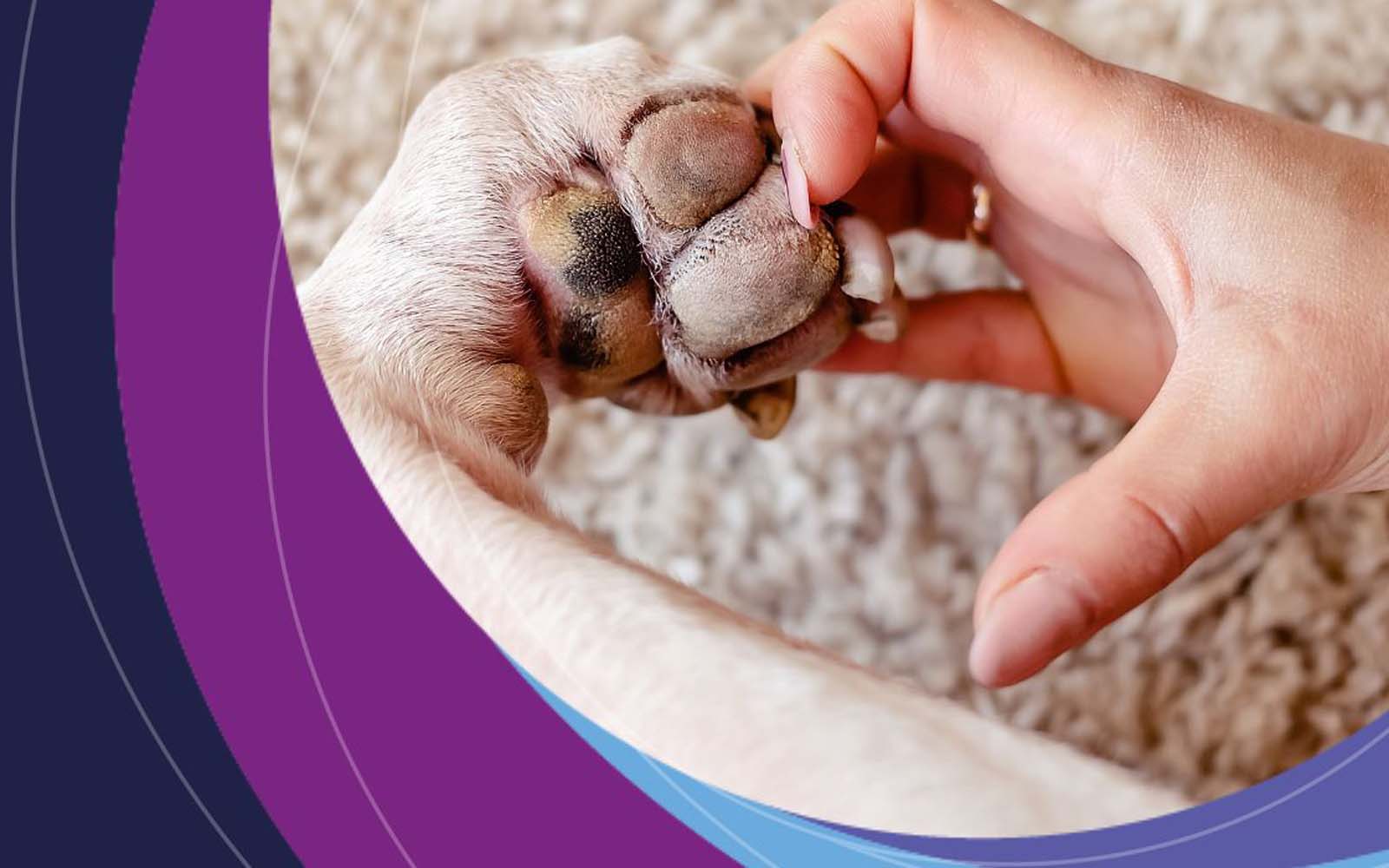
As divorce and separation rates in the UK remain steady, a surprising new trend is gaining traction in family law: pet-nuptial agreements. Once viewed as a novelty, these agreements—designed to determine who keeps a family pet in the event of a split—are becoming increasingly common, particularly among couples who consider their animals more than mere property.
Pets in the Eyes of the Law
Under current UK law, pets are treated as chattels—essentially property, akin to furniture or cars. This legal approach can feel outdated for many pet owners, particularly those who regard their animals as family members. In disputes, Courts often focus on legal ownership (i.e. whose name is on the microchip, vet bills, or adoption papers), rather than what is in the pet’s best interests.
This can lead to emotionally charged and deeply unsatisfying outcomes for both parties, and potentially distressing situations for the pet.
What Is a Pet-Nuptial Agreement?
A pet-nuptial agreement—often called a “pet-nup”—is a legal document that sets out in advance what should happen to a pet if a couple separates. It can address:
- Who the pet will live with
- Visitation or shared care arrangements
- Financial responsibilities for food, vet care, and insurance
- Decision-making authority for medical treatment
These agreements can form part of a broader pre-nuptial or cohabitation agreement or stand alone as a bespoke arrangement.
Why the Increase in Popularity?
The rise in pet-nuptial agreements mirrors broader cultural shifts. Pet ownership in the UK is at an all-time high, with over 60% of households owning a pet in 2024, (according to UK Pet Food). For many, pets are “fur babies” with their own routines, personalities, and emotional bonds with both partners.
Additionally, the growth in unmarried cohabiting couples, who often don’t have the same legal protections as married spouses, has led many to seek clearer legal arrangements in case of separation.
High-profile celebrity splits have also shone a spotlight on the issue. From custody battles over dogs in Hollywood divorces to viral TikToks showing ex-partners negotiating pet care, public awareness is growing.
Could the Law Change?
There is growing pressure for UK law to evolve. In several countries, including Spain, France, and parts of the United States, pets are now legally recognised as ‘living beings’, not property. Courts in those jurisdictions are increasingly making decisions based on the welfare of the pet, rather than strict ownership. If the UK were to follow suit, we could see a shift toward more welfare-focused outcomes in pet-related disputes, potentially giving pet-nuptial agreements even greater relevance and legal weight in the future.
This shift was illustrated recently in a case heard at Manchester Family Court, where a judge was asked to decide who should keep the couple’s dog following divorce. While acknowledging the limits of current UK law, the judge went beyond simple ownership and set out a number of welfare-related factors. These included:
- Who provided day-to-day care and could demonstrate the greatest compassion for the dog
- Where the dog appeared to feel was his ‘safe space’
- Who prioritised the dog’s interests
- Whether the dog acted as a support or assistance animal for a person with a disability
This more compassionate and nuanced approach signalled a developing judicial recognition of the important emotional and functional role pets can play in their owners’ lives, especially for individuals with mental health conditions, neurodivergence, or physical disabilities. It also hinted at the direction UK Family Courts may be moving in future cases.
Are Pet-Nups Legally Binding?
Pet-nups are not legally binding in the same way as contracts or Court Orders. However, like prenuptial agreements, they can carry significant weight in legal proceedings if both parties entered into them freely, with full understanding and legal advice. Courts are increasingly willing to take them into account, particularly where they reflect the welfare of the pet and a clearly agreed intention.
Practical Tips for Creating a Pet-Nup
- Be Specific – Include details about day-to-day care, travel, and emergency arrangements.
- Plan for Change – Consider what happens if one party moves or gets a new partner.
- Get Legal Advice – Speak to a Family Solicitor to ensure the agreement is fair and realistic.
- Focus on the Pet’s Welfare – Courts are more likely to uphold arrangements that put the animal’s wellbeing at the centre.
Conclusion
As society’s understanding of family continues to evolve, so too does the law, albeit slowly. While pet-nuptial agreements may seem unconventional to some, they offer clarity, prevent disputes, and ensure that pets, who cannot speak for themselves, are protected in the upheaval of separation. For many couples, it’s simply the responsible thing to do.
Get in touch with us if you’d like more information or are thinking that a pet-nuptial agreement may be the right way forward for you.